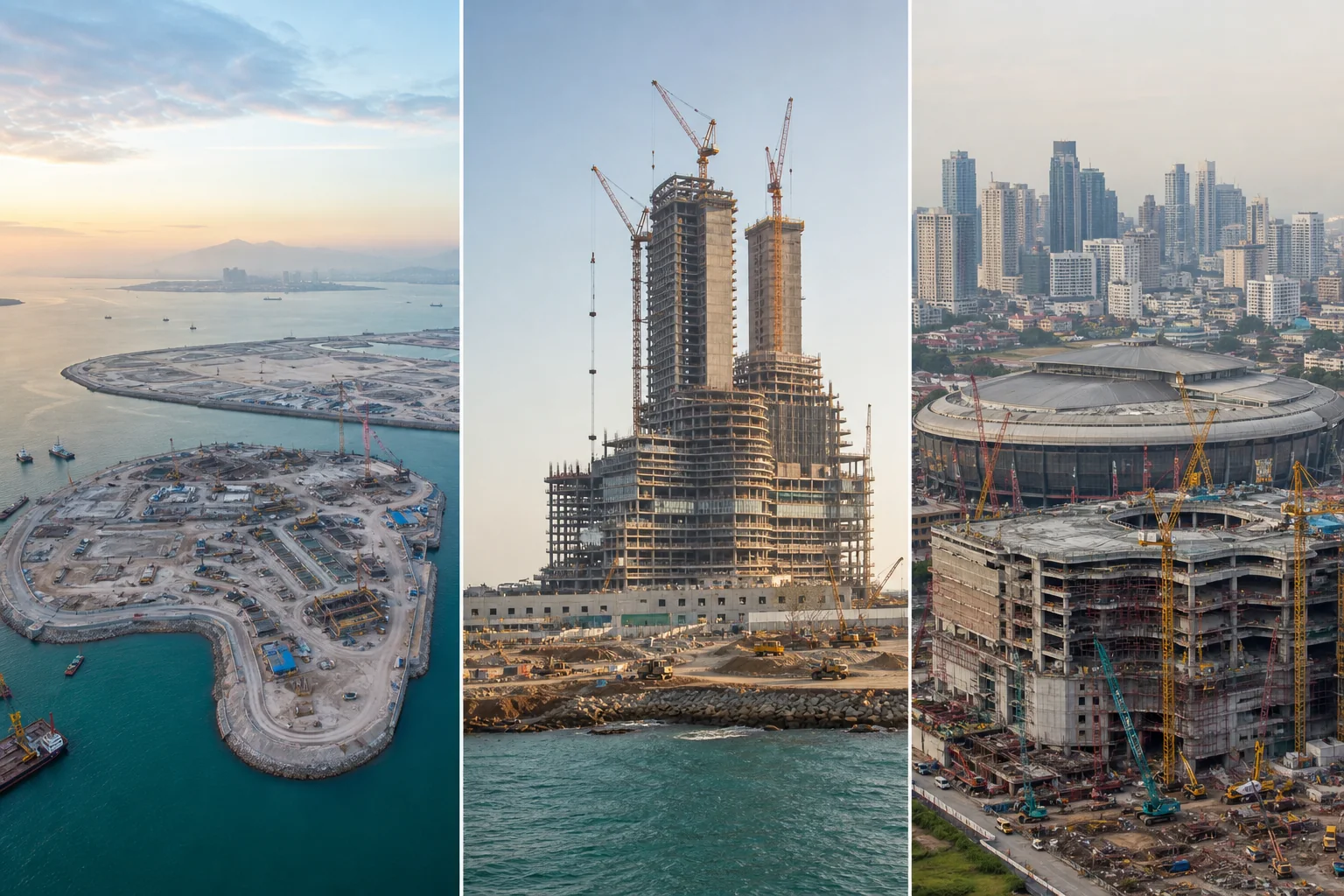
The next Marina Bay Sands development makes a clear statement about integrated-resort economics: gaming remains part of the programme, but the largest visible components are designed to expand luxury hospitality, live entertainment and business events.
Las Vegas Sands broke ground in July 2025 on a development it valued at US$8 billion. The plan includes a 570-suite hotel tower, a 15,000-seat arena, premium meeting space, retail, dining, wellness and gaming.
Entertainment becomes destination infrastructure
A purpose-built arena can change the resort’s calendar and source markets. Touring acts, sports and large events create reasons to travel on specific dates and can support room, restaurant and convention demand across the wider precinct.
The commercial challenge is utilisation. An arena of this scale needs programming, production flexibility, transport access and coordination with the existing property. Its value is measured across the destination, not only through ticket revenue.
The casino is one component inside a much larger capital programme built around high-value tourism, entertainment and meetings.
MICE remains central
Approximately 200,000 square feet of premium meeting space is planned across the podium. This extends Singapore’s established strategy of combining corporate travel with hospitality, entertainment and transport connectivity.
The proposed links to Bayfront MRT and surrounding attractions matter operationally. Large events work better when delegate movement, public transport and pedestrian routes are designed at precinct scale.
The tower is a low-volume luxury proposition
With 570 suites rather than a conventional high-room-count hotel, the tower is positioned toward premium demand. The design includes a rooftop Skyloop, dining, gardens, wellness and private guest amenities.
That configuration depends on service intensity and rate rather than volume alone. Recruitment, culinary operations, suite maintenance and high-touch guest delivery will be as important as the architecture.
Sustainability claims need operating evidence
The project announcement identifies self-shading design, high-performance glazing, lower-carbon materials, recycled steel and a target to divert at least 75 per cent of construction waste from landfill.
These are meaningful specifications, but long-run credibility will depend on measured energy, water, waste and embodied-carbon outcomes after delivery. Project claims should therefore be tracked from design through operation.
What the project says about the sector
Large integrated resorts increasingly justify capital through several demand engines. Gaming economics remain relevant, but destination resilience comes from rooms, arenas, conventions, food, retail and the public realm working together.
The Singapore expansion is not a template every market can copy. It relies on connectivity, destination reputation, regulation and an existing high-performing precinct. Its broader lesson is that non-gaming components are no longer decorative additions; they are central investment propositions.
Primary source
Marina Bay Sands — groundbreaking announcement and project details ↗
Published 15 July 2025. Budget, scope and completion timing are forward-looking and may change.
Talandrixa provides industry and project analysis. It does not offer gambling services, investment advice or operator registration links.